Sunday, 28 August 2022
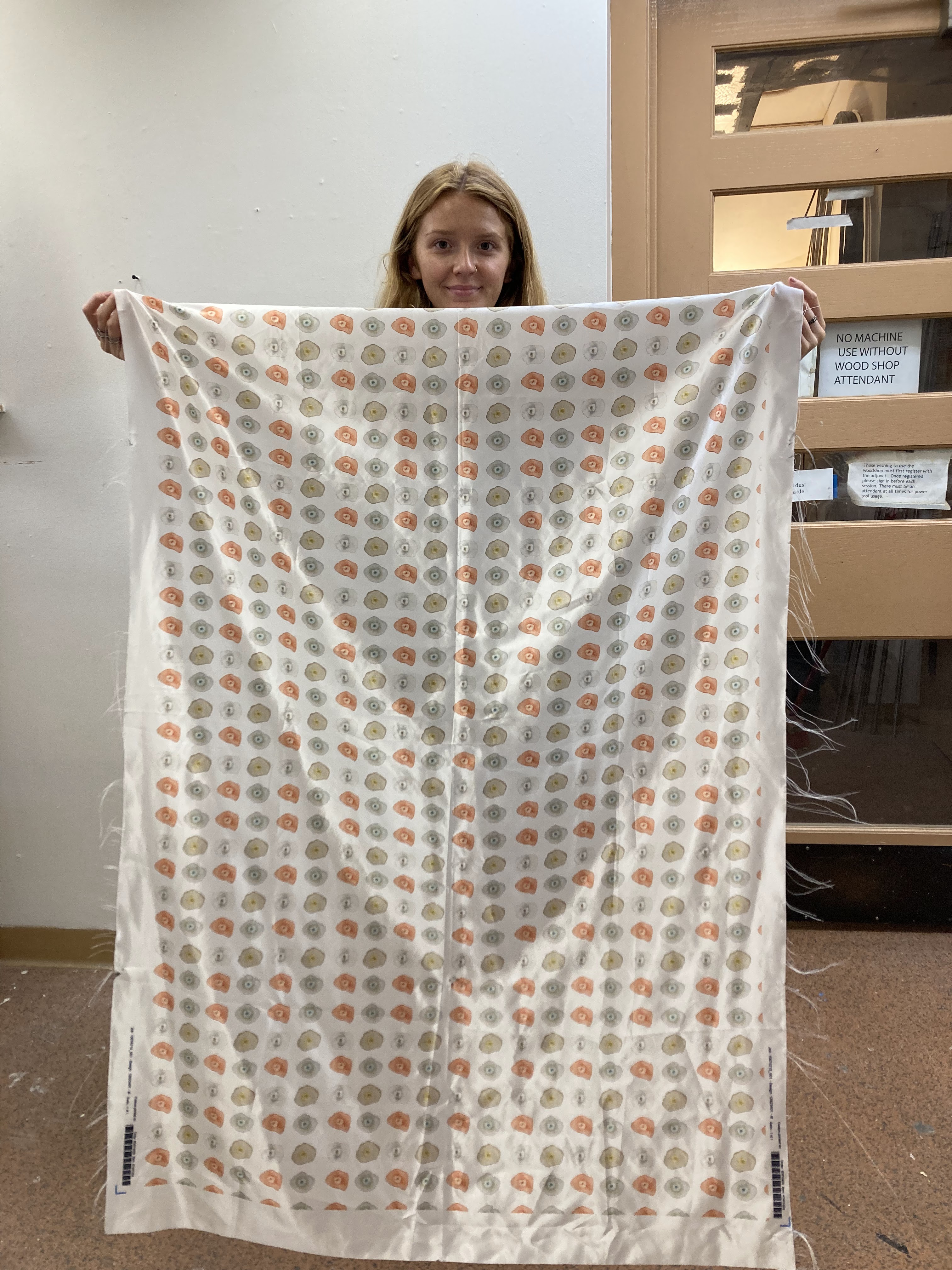
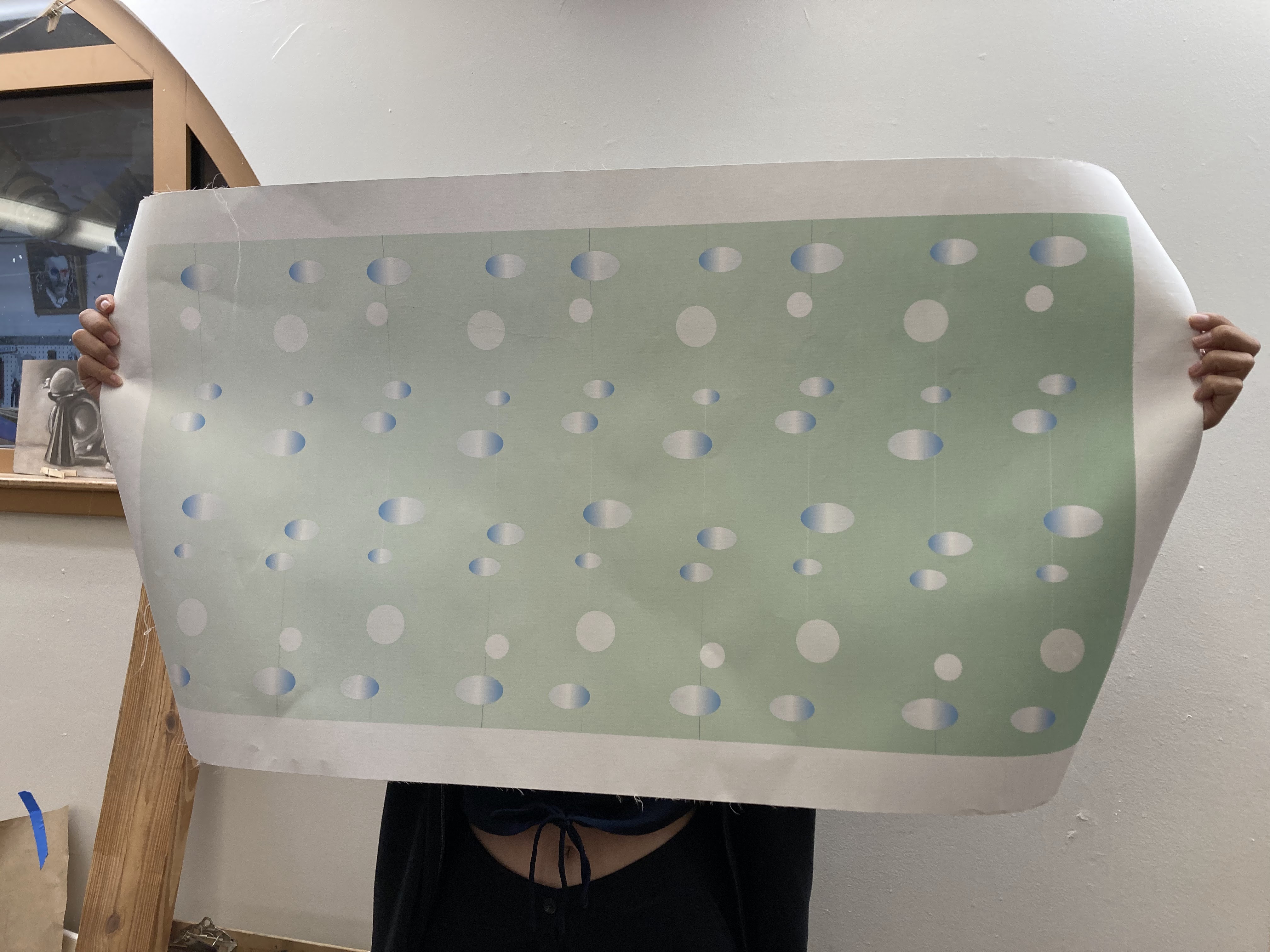
Surface Design Pattern, Student Work, Spring 2022
Thursday, 25 August 2022
Feedback Friday Videos from Botanical Colors
FEEDBACK FRIDAY is a bi-weekly show featuring Botanical Colors’ President Kathy Hattori and Sustainability + Communications Director Amy DuFault. Every week, Kathy and Amy speak with dyers, artists, scientists, writers and scholars about their favorite topic, natural dyeing and color.
FEEDBACK FRIDAY is now over 100 episodes strong and went live in May 2020, two months into the pandemic lockdown. Both Kathy and Amy realized there was a need to gather community in a creative space with artists worldwide scared, lonely, quarantined and unable to take a class or workshop for inspiration. The result has been overwhelming with over 10,000 people having attended a presentation at least once but many have been to more than half.
FEEDBACK FRIDAY presentations are viewed worldwide as part of college and university curriculum, natural dye and fiber organization conferences, education for global brands and independent designers and Amy and Kathy’s favorite venue, the attendees in different time zones who set their alarms to wake in the middle of the night to watch it live.
Go to link below to see archived videos.
Friday, 1 April 2022
Tuesday, 18 January 2022
Alzheimer Activity Matt
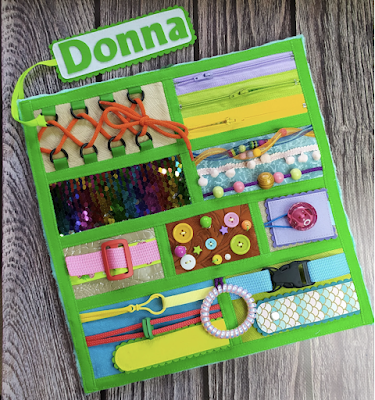
Purpose of the Alzheimer’s Activity Mats
The activity mats are designed to safely stimulate and soothe people with Alzheimer’s and other cognitive challenges, while providing a better quality of LIFE.
L – Lift spirits and entertain users while relieving caregivers.
I – Interest users in items on the mat. This stimulates senses and reinforces memory.
F – Focus user’s attention during therapy or conversation with a caregiver. Helps visitors and staff find topics of conversation with users.
E – Exercise hands and fingers.
How important is touch in the care of an Alzheimer's patient?
History
Little Dresses for Africa
All About Little Dresses for Africa
Founded in 2008, Little Dresses for Africa is a not for profit charity that strives to send beautiful clothes for vulnerable children across Africa.
The charity was founded in the US, but we work with the wonderful Sarah who is the charities UK ambassador. She's lovely and once your little dresses arrive here with us, we send them on to her and she works to make sure they're sent to worthy communities across Africa.
The pillowcase dresses are hugely appreciated by the communities as items of clothing, however the charity works closely with the communities too. All the dresses are delivered to small and remote villages by groups of volunteers. The charity delivers the dresses to the children and spend time with the residents, building relationships to focus on educating about clean water, assisting with primary education and helping to build community.
The little dresses are always delivered to small villages and distributed alongside a local church or orphanage. The charity always ensures that the villages that are receiving dresses do not have easy access to clothing items, therefore do not negatively affect the local economy or compete will a local business.
You can keep updated with where our little dresses are being sent by following the Little Dresses for Africa - UK facebook page.
How To Get Involved
The Little Dresses charity works entirely on donations of homemade dresses.
We send you beautiful new pillowcases, so we want to encourage you to do something really great with your old ones. All you need is a sewing machine and a spare afternoon, the instructions are made to be simple so whether you're a sewing expert or a complete newbie, everyone can get involved.
Find our instructions for how to make your own dress from a pillowcase here.
Want some inspiration? See our gallery with a selection of some of the 2000 dresses we've been sent so far!
Share your own photos with us on social media too, always tagging in #mylittleslsdress.
Marit Ilison, Designer
Suzani
What is a suzani?
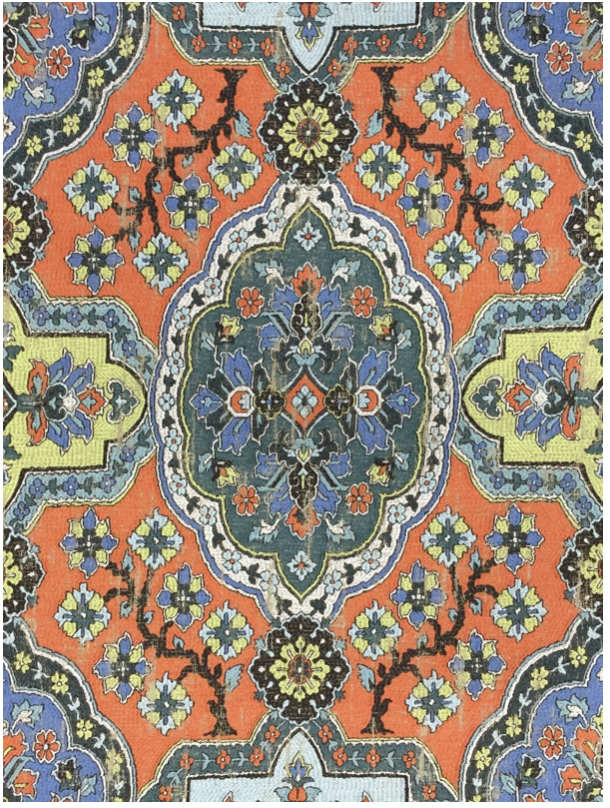
A suzani is a large, hand-embroidered textile panel; the word comes from the Persian word suzan, which means needle. Originating from nomadic tribes in Tajikistan, Uzbekistan, Kazakhstan and other Central Asian countries, suzanis have become highly collectable and valued for their beautiful decoration and fine craftsmanship.
How was the suzani originally used?
The primary use of a suzani was within the yurt (a Central Asian nomadic tent), as a protective wrapping panel for textiles and belongings. They were also used as prayer mats, as bed sheets and for seating — pieces of furniture are seldom found in yurts, because they are cumbersome to move.
Suzanis had a symbolic significance, too. They were traditionally made by brides and their mothers as part of a dowry, and presented to the groom on his wedding day. They represented the binding together of two families, and were adorned with symbols of luck, health, long life and fertility.
PROBABLY BUKHARA, UZBEKISTAN, 19TH CENTURY
How are suzanis made?
Suzanis are made from cotton, sometimes silk. The pattern is first drawn onto the cotton, before being embroidered on narrow portable looms. They are usually produced in two or more pieces, meaning that they can be worked on by more than one person, before being stitched together.
Just four stitches — tambour, basma, chain and kanda-khayol — are used to realise a large variety of patterns, which traditionally include the sun and moon, flowers and creepers of the Asian steppes, leaves and vines, fruits (especially pomegranates), and occasionally fish and birds. These motifs were believed to imbue the suzanis with spiritual powers, offering protection or strength to their owners.
Which dyes are used?
Suzanis are coloured with vegetal dyes, although some more recent pieces may use synthetic dyes, which are not considered to give the same intensity of hue.
The natural dyes use imported indigo for blue, cochineal and imported madder for reds, saffron for yellow, a mix of indigo and a yellow tree fungus for green, and iron oxide and pistachio nuts for black. The dyeing process takes place in an outdoor vat, similar to those that can still be seen across the Maghreb.
More images and info. Go to source link below.
https://www.christies.com/features/A-guide-to-suzani-textiles-8341-1.aspx
Student Blogs, Spring 2025
Clare Cassidy Rhys Conner Gem Hansen Hayley Harris Julia Hewitt Sophia Johnston Laurel Koschal Owen Lindsey Colin Locatell Alaina Medina E...
-
Clare Cassidy Rhys Conner Gem Hansen Hayley Harris Julia Hewitt Sophia Johnston Laurel Koschal Owen Lindsey Colin Locatell Alaina Medina E...
-
Hannah Garrido Personal Banner Garrido Details of Personal Banner Hannah Garrido Club Banner Socialables Club Members with Banner Miranda...